







Search Results for: Rainy Day Extraction

Why Does Espresso Need Daily Calibration? Analyzing Crema Quality and Rainy-Day Extraction Challenges
Many coffee enthusiasts are puzzled by the practice of coffee shops adjusting their espresso every day, believing that as long as the dose, water temperature, yield, and grind size stay consistent, the taste should remain stable. However, the pressurized extraction method of espresso is extremely sensitive—the degassing state of the coffee beans, the weather humidity, and the wear on the grinder burrs can all cause flavor deviations. This article analyzes in detail how carbon dioxide affects the crema and extraction, why it is harder to pull a good-tasting espresso on rainy days, and the reasons behind changes in grind size, while also sharing Front Street Coffee's professional interpretation of the necessity of daily espresso calibration. [more…]

Why Does Rainy Weather Make Espresso So Hard to Dial In? Analyzing the Causes of Unstable Espresso Machine Extraction
Spring has arrived, and Guangdong is experiencing continuous rainy weather. For baristas who need to get up early every day to dial in espresso, this period is undoubtedly a challenge. Many coffee enthusiasts have noticed that with the same beans and the same parameters, as soon as a rainy day comes, the espresso machine seems to throw a tantrum, and the extraction results are always less than satisfactory. What exactly causes espresso to be so difficult to dial in on rainy days? This article will analyze in depth from multiple angles such as humidity, temperature, and bean condition, helping you understand the real reasons why espresso machine extraction is unstable in wet weather, and offering practical approaches to deal with it. [more…]

How to stabilize espresso extraction in humid climates? Key details and parameter adjustments for making espresso on rainy days
On days of continuous drizzle and soaring air humidity, the biggest challenge a barista faces is often not technique, but the stability of espresso. A humid environment can cause coffee beans to absorb moisture and lose flavor, and the pressure of the espresso machine may also be weakened, making extraction extremely unstable. This article starts from three angles—reducing bean moisture exposure, adjusting grind and dose, and increasing the frequency of parameter calibration—to sort out the operational details to pay attention to when making espresso on rainy days, helping you maintain consistency and flavor in your output even as humidity changes. [more…]

How to Quickly Calibrate Espresso on Rainy Days? Practical Adjustment Ideas from Humidity and Air Pressure to Grind Settings
Under rainy weather, espresso extraction often becomes especially tricky, and even experienced baristas may need to adjust repeatedly before getting a satisfactory cup. The root of the problem is not simply under-extraction or over-extraction, but uneven extraction caused by the combined effects of high humidity and low air pressure. Starting from Front Street's hands-on experience, this article first analyzes the two major reasons why espresso is difficult to dial in on rainy days—a surge in environmental humidity causes coffee grounds to absorb moisture and clump, while lower air pressure weakens extraction efficiency—and then provides specific response strategies, including dehumidification and moisture prevention, sealed storage, and compensating for the amount of dissolved flavor substances by extending extraction time or making the grind finer. The article also includes a parameter comparison of Front Street's classic blend under normal weather and rainy days for readers to refer to when adjusting. [more…]
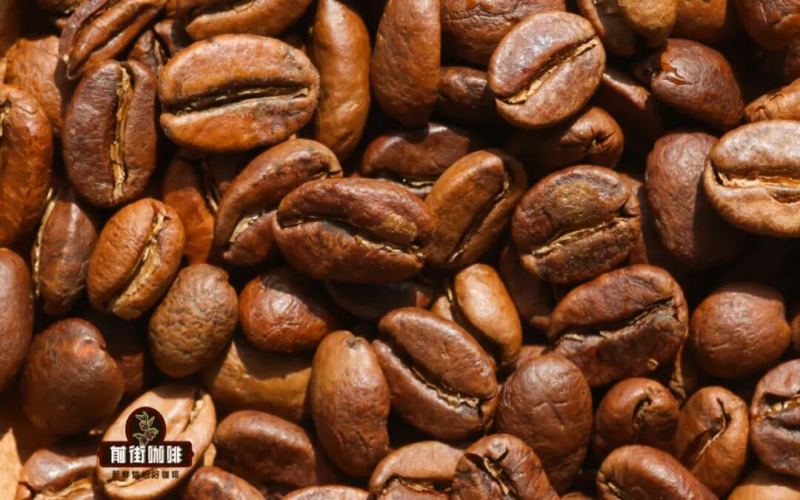
Espresso Making | Why do coffee shops need to dial in espresso every day when they open? How do changes in coffee bean condition affect the taste of espresso?
Honestly, Front Street Coffee believes that in a barista's daily work, there is nothing more painful than the morning ritual—dialing in espresso. If there's anything more painful than that, it must be dialing in espresso on a rainy day. Because if you're not careful, you'll end up full of espresso, drinking it until you're sick of it. Some friends find this very hard to understand; they think [more…]

Why does an iced Americano from the same beans taste good one time and bad another? Four major variables shape the flavor of the Americano in your hand.
The same shop, the same beans, yet the americano can often come out tasting like two completely different cups—Front Street Coffee's store received exactly this kind of feedback from customers this week. The article starts with the minimalist essence of the americano: "espresso diluted with water." Since the recipe is fixed and water has no flavor of its own, any variation can only come from the espresso itself. It then breaks down, one by one, four variables that are often overlooked: the resting rhythm and ongoing degassing of the coffee beans, the interference of rainy, high-humidity weather with grinding and pressurization, particle size drift caused by hopper pressure, and the heat effects of a grinder running nonstop. It also includes the actual brewing parameters and bean-resting experience for Front Street Coffee's Warm Sun beans, helping you understand the story behind the flavor ups and downs of a single cup of iced americano. [more…]
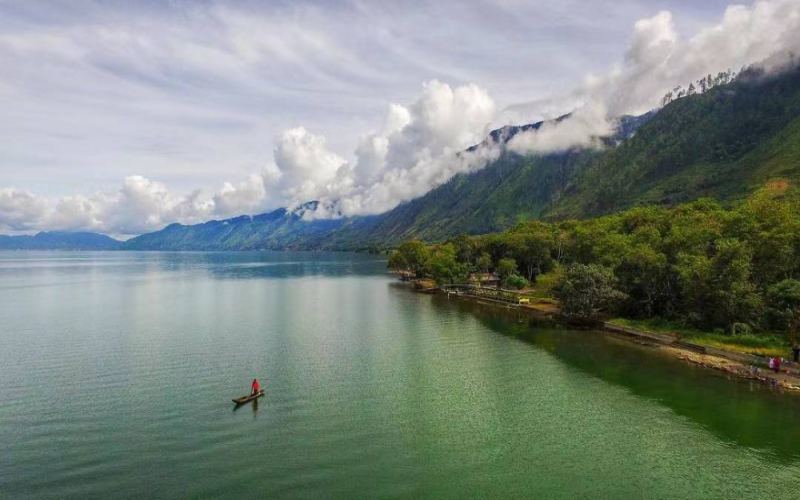
Sumatra Mandheling Pour-Over Guide: Flavor Analysis from Origin Terroir to Wet-Hulling Process
Sumatra, as Indonesia's largest coffee-producing region, nurtures the full-bodied Mandheling coffee through its unique volcanic soil and tropical rainforest climate. From the introduction of Typica during the Dutch colonial period, to the switch to disease-resistant hybrid varieties after leaf rust, and now to the high-quality production areas around two major lakes in Aceh Province, Mandheling has undergone a complex historical evolution. Indonesia's humid and rainy climate has given rise to the unique wet-hulling process, which imparts the coffee's signature woody and spicy notes. This article will guide you through the production region stories and processing techniques of Sumatra coffee, and share Front Street Coffee baristas' medium-dark roast Mandheling pour-over recipe, including dripper selection, water temperature, grind size, and staged extraction parameters, helping you brew a smooth, full-bodied cup of good coffee at home. [more…]

A Complete Analysis of Latin American Coffee Regions: Flavor Profiles and Processing Methods of Coffee Beans from Eight Countries Including Brazil and Colombia
Latin America is one of the most important coffee-producing regions in the world. From Brazil to Colombia, from Panama to Guatemala, each country shapes a distinctively different coffee flavor profile through its unique geography and processing methods. This article systematically reviews the producing regions, bean varieties, processing methods, and cupping performance of eight major Latin American coffee-producing countries, and combines Front Street Coffee's daily drinking bean series with Front Street Coffee's brewing methods to help coffee lovers fully understand the balance and cocoa-chocolate notes of Latin American coffee. Whether you are a beginner just starting out or a seasoned enthusiast, you can find the cup that suits you. [more…]
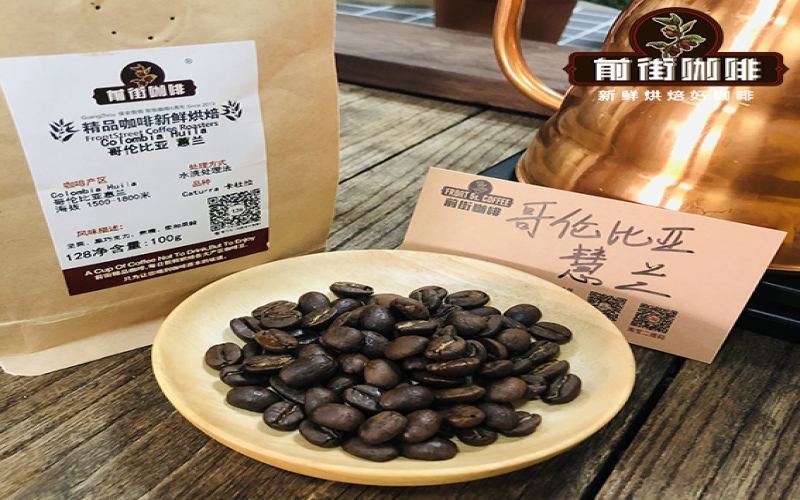
A Comprehensive Analysis of the Origin of Colombian Huila Washed Coffee: From Terroir Conditions to Nutty and Chocolatey Flavors in the Cup
The Huila region of Colombia lies among the mountains of the south, where high altitude, volcanic ash soil, and a climate with distinct wet and dry seasons together shape the clean, balanced, and mellow character of the local washed coffee. For those just getting into pour-over coffee, Huila washed beans are often the most friendly entry-level choice—they are not as bright and flamboyant in acidity as Yirgacheffe, nor as rich and heavy as Mandheling, but instead present the sweet aromas of nuts, chocolate, and caramel in a gentle manner. Front Street Coffee lists it as its top recommended everyday bean, using a medium-dark roast and pairing it with a KONO dripper and medium water temperature for extraction, allowing the bean's complex fruity juice sensation and roasted aroma to be fully released. This article will completely break down the flavor sources of Huila washed coffee, from the growing region's environment, variety composition, and picking and processing to the brewing parameters. [more…]
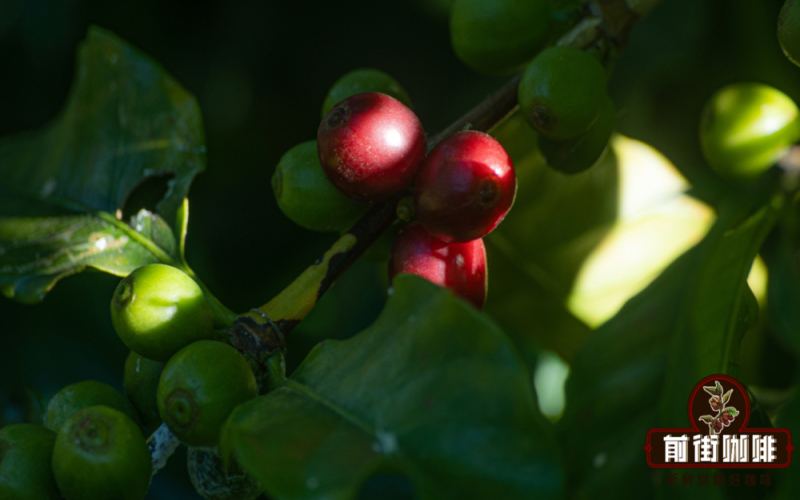
A Complete Guide to Yunnan Coffee Origins: Terroir Characteristics and Brand Recommendations for Baoshan, Pu'er, Lincang, and Dehong
Yunnan is the core coffee-producing region in China, and its cultivation history can be traced back to 1904, when French missionaries planted the first coffee trees in Zhukula Village. Today, international brands such as Nestlé, Starbucks, and COSTA have all established a presence in Yunnan, and the specialty coffee market is also paying increasing attention to this mountainous area in southwest China. This article will take you into the four major producing regions of Lincang, Baoshan, Pu'er, and Dehong to learn about their respective terroirs and variety characteristics, and analyze the variety evolution of Yunnan arabica coffee, the washed processing method, as well as Front Street Coffee's brewing recommendations and flavor performance. Whether you are a coffee beginner or a seasoned enthusiast, you can gain a more comprehensive understanding of Yunnan coffee from this. [more…]
Yunnan Coffee Bean Origin Distribution and Flavor Characteristics: A Review of Small-Bean Coffee Brands in Lincang, Baoshan, Pu'er, and Dehong
Yunnan is China's most important coffee-producing region, with a cultivation history that can be traced back to 1904, when a French missionary planted the first coffee tree in Zhukula Village. After more than a century of development, Yunnan coffee has formed four core production areas: Lincang, Baoshan, Pu'er, and Dehong. Thanks to the tropical mountain terroir of high altitude and large temperature differences, it produces high-quality Arabica coffee. This article will systematically review the geographical conditions and cultivation characteristics of each production area, analyze the differences between Typica and Catimor varieties, and introduce in detail the key points of washed processing and brewing. Front Street Coffee has its own estate in Lincang, and its 2013 Typica and Baoshan Washed Daily Drinking Beans are excellent choices for experiencing the flavors of Yunnan coffee. [more…]
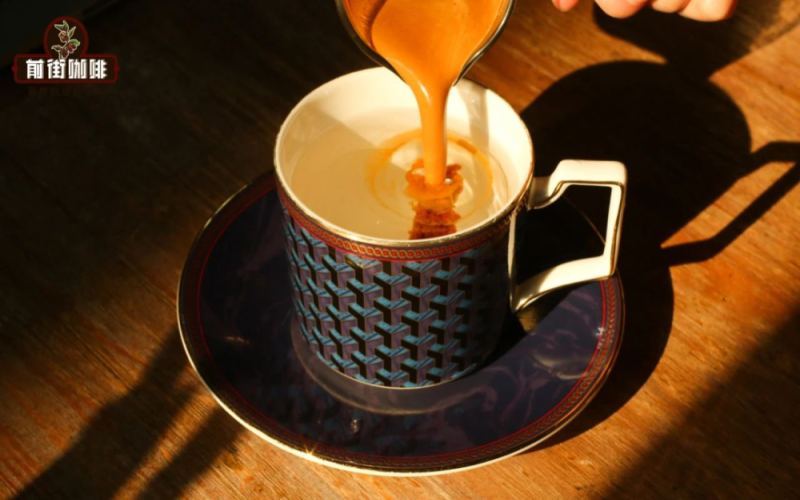
Why does iced Americano made from the same beans taste different? Analyzing the four major variables affecting espresso extraction and the preparation standards
When you order an iced Americano at a café, sometimes the taste feels a little different from last time—same shop, same beans, yet the fruity acidity, body, and aroma may shift subtly. This difference is not an illusion, but the result of multiple variables working together: the resting state of the coffee beans, weather and humidity, hopper pressure, and temperature changes in the grinder during continuous shots. This article will break down these factors affecting espresso extraction one by one, and explain the parameters and logic behind making a standard iced Americano, helping coffee lovers understand the espresso system behind a delicious cup. [more…]
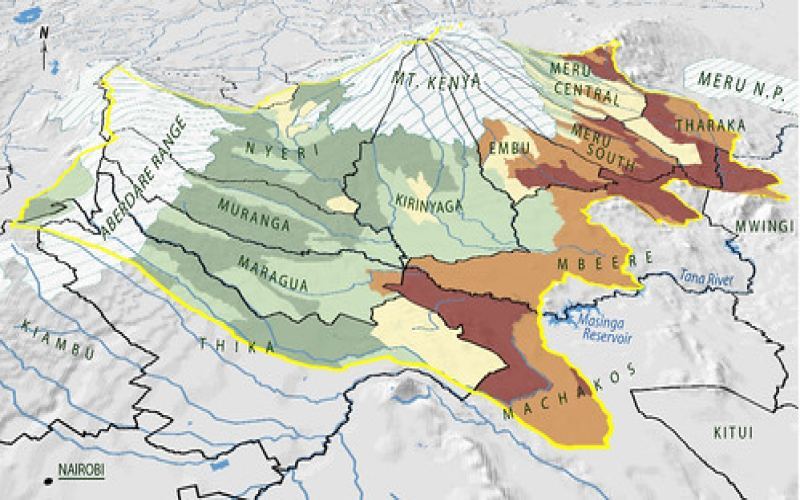
Kenya Murang'a Kangunu Cooperative Limpopo Coffee Beans: Full Analysis of Variety, K72 Processing Method, and Pour-Over Flavor
The Murang'a region in Kenya is located near Mount Kenya, adjacent to the Nyeri region, with fertile volcanic soil and abundant rainfall from two rainy seasons, providing superior natural conditions for coffee cultivation. This article focuses on the Rimpo coffee beans from the Kangunu Cooperative in the Kangema area of Murang'a County, providing a detailed overview of its regional background, the K72 washed processing method, the origins and characteristics of the three major varieties SL28, SL34, and Batian, as well as the AA-grade green bean standards. The Rimpo coffee beans sourced by Front Street Coffee, after light roasting, present flavors of hawthorn, berries, plum, and dried fruit, with bright acidity and solid sweetness. The article also includes V60 pour-over parameters and staged extraction techniques for coffee enthusiasts' reference. [more…]
A Complete Guide to Central and South American Coffee Regions: Flavors, Varieties, and Key Producing Countries of Latin American Coffee Beans
The world's coffee belt can be divided into three major producing regions: Africa, Asia-Pacific, and Latin America, each presenting distinctly different flavor profiles. African beans are known for their fruity acidity, Asian beans for their herbal richness, while Latin American coffees fall somewhere in between, celebrated for their balanced, mellow character reminiscent of cocoa and dark chocolate. This article focuses on the Central and South American producing regions, examining country by country—Brazil, Colombia, Panama, Costa Rica, Honduras, Jamaica, Guatemala, and Nicaragua—their coffee varieties, processing methods, major producing areas, and flavor characteristics, and combines this with Front Street Coffee's everyday drinking bean series and brewing demonstrations to help coffee enthusiasts build a systematic understanding of Latin American coffee. [more…]
A Complete Guide to Latin American Coffee Regions: An In-Depth Guide to the Flavors, Varieties, and Processing Methods of Eight Major Producing Countries, from Brazil to Guatemala
Among the world's three major coffee-producing regions, Latin America (Central and South America) is known for its balance and body, typically presenting flavor notes of cocoa and dark chocolate. From Brazil's nutty-chocolate character, to Colombia's bright acidity, to Panama Geisha's legendary floral aroma, Jamaica Blue Mountain's balanced sweet-acidic-bitter profile, and the diverse expressions of Guatemala, Costa Rica, Honduras, Nicaragua, and other countries, this land has given birth to countless classic coffees. In this article, Front Street Coffee (FrontStreet Coffee) sorts out the origins, processing methods, and representative producing countries of Latin American coffee, along with brewing parameters and flavor descriptions for each producing country, to give you a systematic understanding of the full picture of Central and South American coffee. [more…]
Introduction to the Coffee Bean Varieties of Guatemala's Huehuetenango Region: Pour-Over Flavor and Taste Characteristics
Guatemala is a flagship coffee-producing country in Central America, often described as having a smoky "uncle-style" flavor, but this smokiness comes from the terroir rather than artificial additives, and combined with nutty and chocolate notes, it is full of charm. The country is home to producing regions such as Antigua, Huehuetenango, Copán, San Marcos, Atitlán, Acatenango, Fraijanes, and New Oriente, each with its own unique climate and soil conditions. Among them, Huehuetenango is known for its rich fruity flavors, while Antigua is famous for its light smokiness and deep fruity aroma. Front Street Coffee's Huehuetenango everyday drinking beans and La Minita La Flor del Café represent the classic styles of these two regions, respectively. This article will go through the characteristics of each region one by one and share brewing ideas and specific parameters for the La Flor del Café beans. [more…]
A Complete Guide to Latin American Coffee Regions: Varieties, Processing Methods, and Flavor Profiles from Brazil to Guatemala
Among the world's three major coffee-growing belts, the Latin American region stands out with its distinctive chocolatey and nutty rich tones. From Brazil's nutty sweetness and Colombia's balanced acidity, to Panama Geisha's floral legend, Costa Rica's honey-processing sweet experiments, and on to Jamaica Blue Mountain's classic balance and Guatemala's volcanic flavors, each producing country relies on unique geographical conditions and processing techniques to create highly recognizable cup profiles. This article systematically reviews the coffee varieties, mainstream processing methods, producing region distribution, and grading systems of eight Latin American countries, and, combined with Front Street Coffee's brewing demonstrations, fully presents this region's flavor landscape and bean selection logic. [more…]
The Origin of the Name Yunnan Small-Bean Coffee and Authenticity Identification: A Full Analysis from Variety Evolution to Regional Flavor
Why is Yunnan coffee called "Xiaoli"? Behind this name actually lie the dual meanings of variety classification and historical change. As China's core coffee-producing region, Yunnan contributes 95% of the country's coffee output, and between the Catimor now planted on a large scale and the Typica introduced in the early days, what kind of inheritance and trade-offs exist? This article will systematically sort out the identity code of Yunnan Xiaoli coffee, from variety origins, regional terroir, and processing methods to brewing suggestions, while sharing key clues for identifying authenticity, and preserving Front Street Coffee's cultivation and production stories in Lincang and Baoshan, leading you to rediscover this touch of wild mountain flavor from southwestern China in your cup. [more…]
Is Yunnan small-bean coffee Arabica? A full analysis of its variety composition, main producing regions, and flavor characteristics
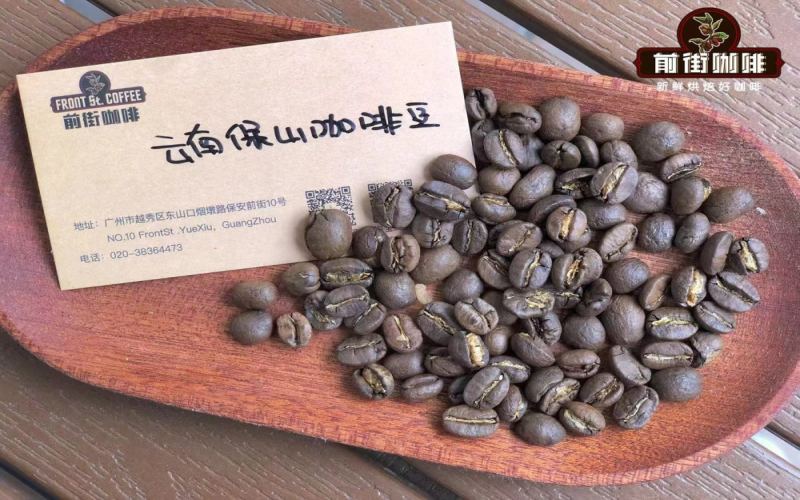
Yunnan small-bean coffee actually belongs to the Arabica species, but what is widely planted locally today is no longer the traditional Typica, but rather Catimor. This article will trace the evolution of coffee varieties in Yunnan, from Typica to the replacement process by Catimor, introduce the current cultivation status of a small number of high-quality varieties such as Geisha and Bourbon, and analyze one by one the climate conditions and flavor trends of major producing regions including Lincang, Pu'er, Baoshan, and Dehong. At the same time, the article will also explain why Yunnan coffee generally adopts the washed processing method, as well as Front Street Coffee's experience growing Typica in Lincang and the brewing parameters and flavor descriptions of several representative products. [more…]
Sumatra Wet-Hulling Process Explained: The Compatibility of Mandheling Coffee Varieties with Espresso
Sumatra, as Indonesia's largest island, nurtures a distinctive Mandheling coffee thanks to its volcanic ash soil and high-altitude misty environment. From the introduction of Typica during the Dutch colonial period to the rise of disease-resistant varieties like Tim Tim and Catimor after leaf rust, Sumatra's coffee varieties have undergone multiple changes. The local humid and rainy climate gave rise to the unique wet-hulling process, which endows the coffee with its signature woody, spicy, and herbal notes. This article will guide you through the evolution of Sumatra coffee varieties, the specific steps of the wet-hulling process, and whether Mandheling is suitable for making espresso, along with practical advice from Front Street Coffee. [more…]